
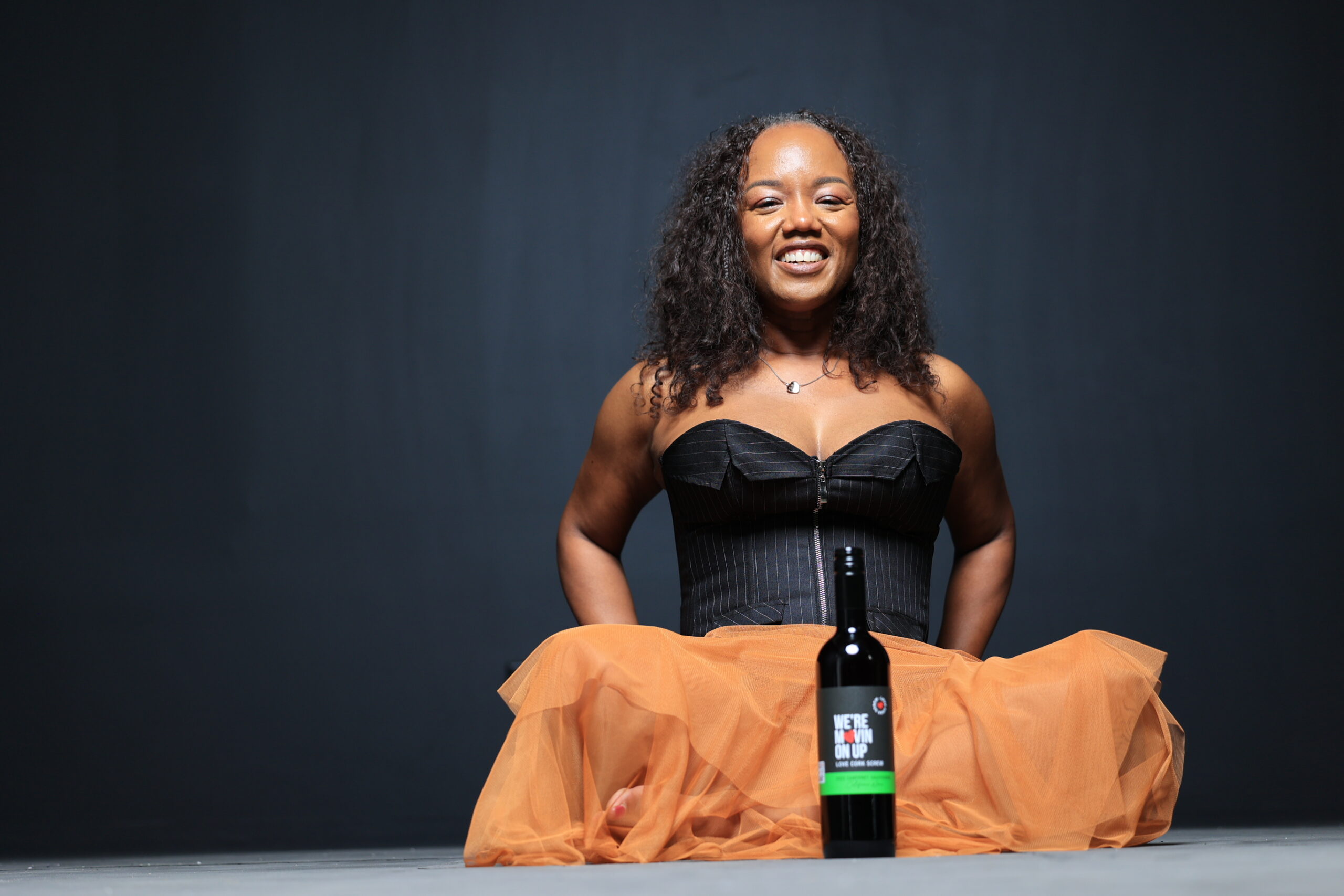
For most wine and spirits brands in the U.S., the distributor is your first real customer. Before a single shopper sees your bottle, a distributor has to decide your brand is worth a spot in their portfolio. That’s not easy. Distributors are approached by new brands constantly, and their reps already carry hundreds of products.
I worked in wine and spirits distribution before starting Love Cork Screw, so I’ve seen how these decisions get made. Here’s how to get a yes, and how to keep it.
Understand what a distributor is looking for
A distributor makes money when your wine sells through to retailers and restaurants and gets reordered. So they’re asking:
- Will this brand sell without my team doing all the work?
- Does it fill a gap in my portfolio, or compete with something I already carry?
- Is the pricing right for my accounts?
- Is the founder going to support the brand in the market?
Your pitch should answer every one of these.
Choose the right distributor, not just the biggest
The largest distributors have enormous reach, but a new brand can get lost in a book of thousands of items. A smaller or specialty distributor may give you more attention, more flexibility and reps who actually know your story.
Look for distributors who:
- Already sell to the kinds of accounts you want
- Carry brands similar in price and style, but not identical to yours
- Have a reputation for supporting emerging brands
- Cover the geography you’re targeting first
Ask other founders and retail buyers which distributors they like working with. Buyers will often tell you who shows up and who doesn’t.
Prove demand before you pitch
The strongest pitch is proof. Bring as much as you can:
- Sales in other markets, or direct-to-consumer sales where legal
- Retailers or restaurants who’ve told you they’d carry it
- Your social following and email list in that market
- Press coverage and awards
- Events you’ve run and the response you got
If you’re brand new, show the demand you’ve built in other ways, like your audience. Love Cork Screw started as a blog with a community behind it, and that community was part of my early proof.
What to bring to the meeting
- Samples, properly chilled or ready to taste
- A one-page sell sheet with pricing, case pack and UPCs
- Your pricing at each tier, so they can see the margins work
- A 90-day market plan: target accounts, tastings, events and marketing
- Your promotional budget and what support you’ll provide their reps
Keep it tight. A distributor’s time is valuable, and a clear, organized pitch signals that you’ll be easy to work with.
Make it easy for reps to sell your wine
Signing with a distributor is not the finish line. Their reps decide which brands to mention in each account, and they tend to sell what’s easy and what’s rewarded. Win them over:
- Train the sales team on your story, your wine and who it’s for
- Do ride-alongs, visiting accounts with reps
- Give them tools: shelf talkers, tasting notes, short talking points
- Run sales incentives when appropriate and permitted
- Celebrate their wins with your brand
When reps like working with you, your wine gets mentioned more often.
Read the contract carefully
Distribution agreements can be long-term, and in some states franchise laws make it hard to leave a distributor, even when things aren’t working. Before you sign, understand:
- Which territory they cover
- How long the agreement lasts and how it can end
- What performance they’re expected to deliver
- Who pays for samples, promotions and marketing
- Pricing and payment terms
Have an attorney who knows alcohol law review it. I cover this in the three-tier system explained.
Stay involved after you sign
The brands that grow are the ones whose founders stay in the market. Check in regularly, ask for depletion reports (how much is selling through to accounts), and fix problems fast. If your wine isn’t moving, ask why, and bring solutions.
The bottom line
To get a distributor to carry your wine, choose one that fits your brand, bring proof and a plan, make it easy for their reps to sell, and stay involved after you sign. Think of them as a partner you have to keep earning.
Before you pitch, make sure your pricing works at every tier. Read how to price your wine from cost to shelf.
Want the full playbook?
This post is one piece of what I teach inside The Lampley Learning. The Business Blueprint walks you through it module by module, with a quiz and a downloadable resource in every lesson, and Founder members get a 1:1 strategy session with me. See the membership plans.
Getting your product ready for store shelves? Download my free Retail-Ready Checklist: the 10 things retailers expect before they stock a product.